

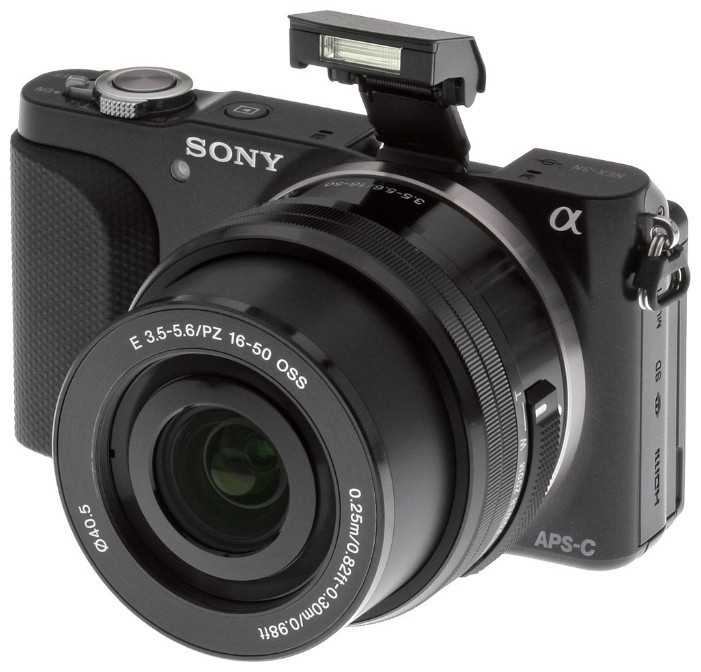
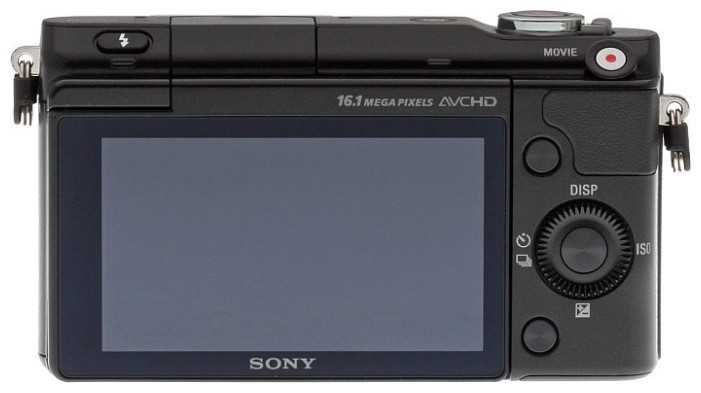
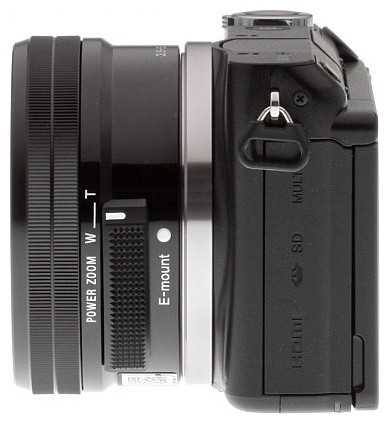
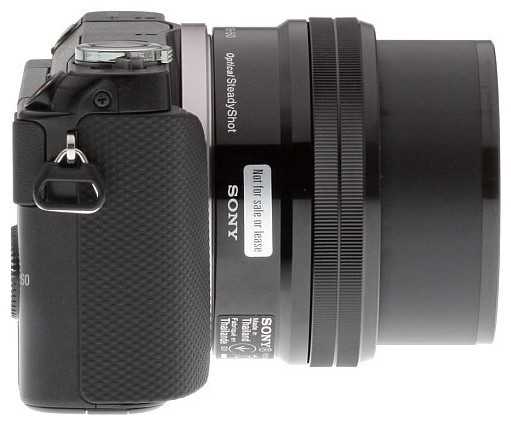
Фотоаппарат Sony Alpha NEX-3N Kit — подробный обзор, плюсы и минусы на основе 197 отзывов


Альтернативы с высокой оценкой
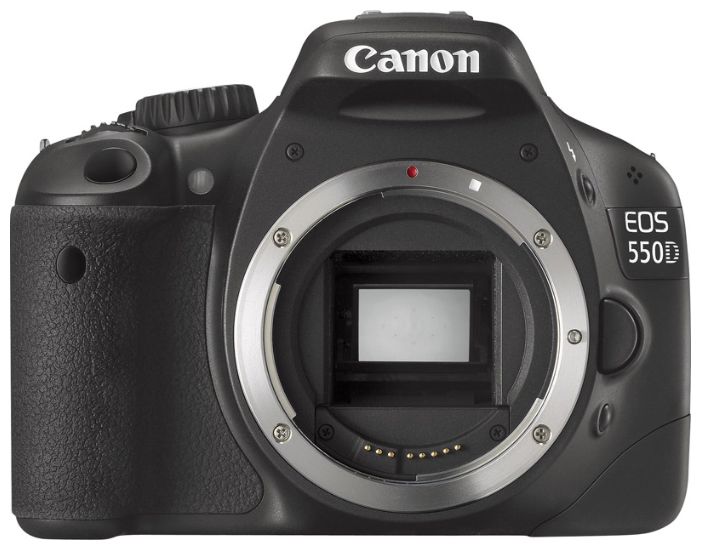
Canon EOS 550D Body
- Высокая детализация
- Отличная эргономика
- Качественный дисплей
- Шумы на ISO 800
- Неудобный хват
- Медленный видео AF
20 169 руб. в среднем
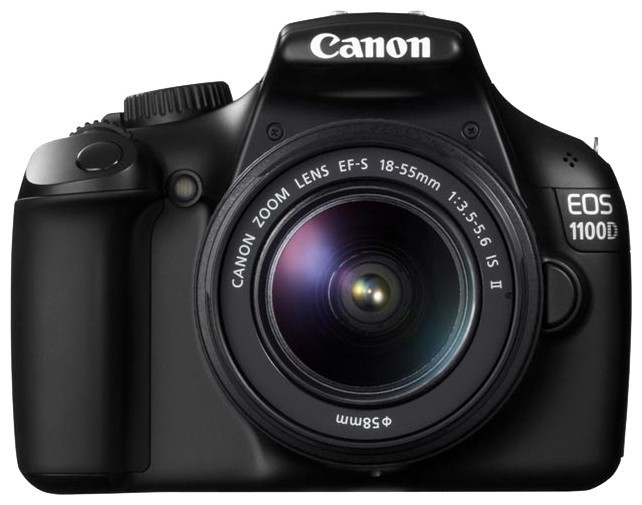
Canon EOS 1100D
- четкие фото
- долгая батарея
- простота для новичков
- шумы на высоких ISO
- слабый китовый объектив
- проблемы с видео
25 321 руб. в среднем
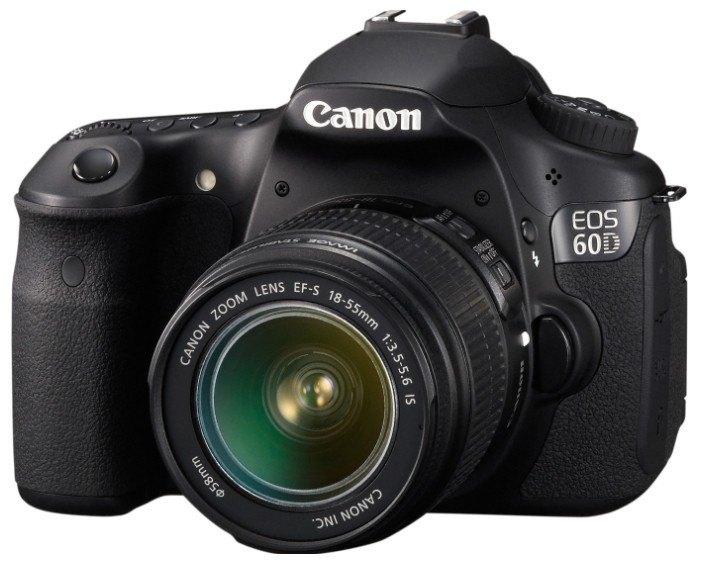
Canon EOS 60D Kit
- удобный хват
- поворотный экран
- ёмкий аккумулятор
- шумы на высоких ISO
- слабый кит-объектив
- медленный Live View
25 792 руб. в среднем
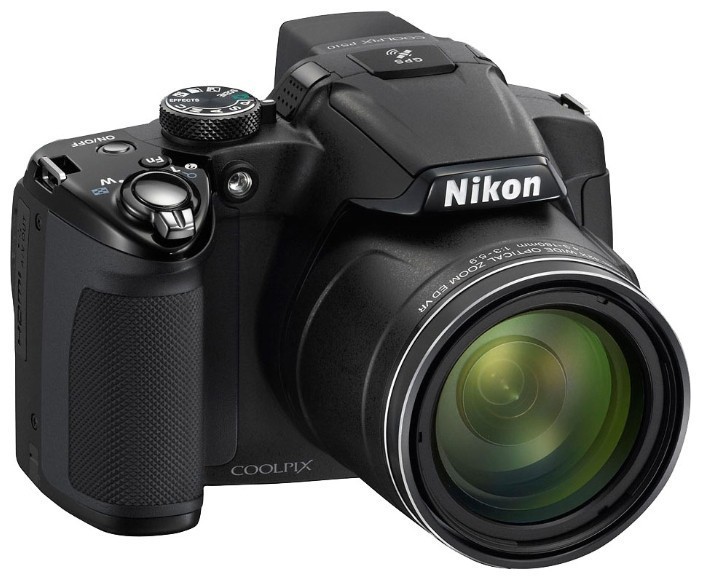
Nikon Coolpix P510
- 16.79 МП
- 1/2.3"
- Zoom: 42х
- 3D
- до 7 к/с
28 008 руб. в среднем
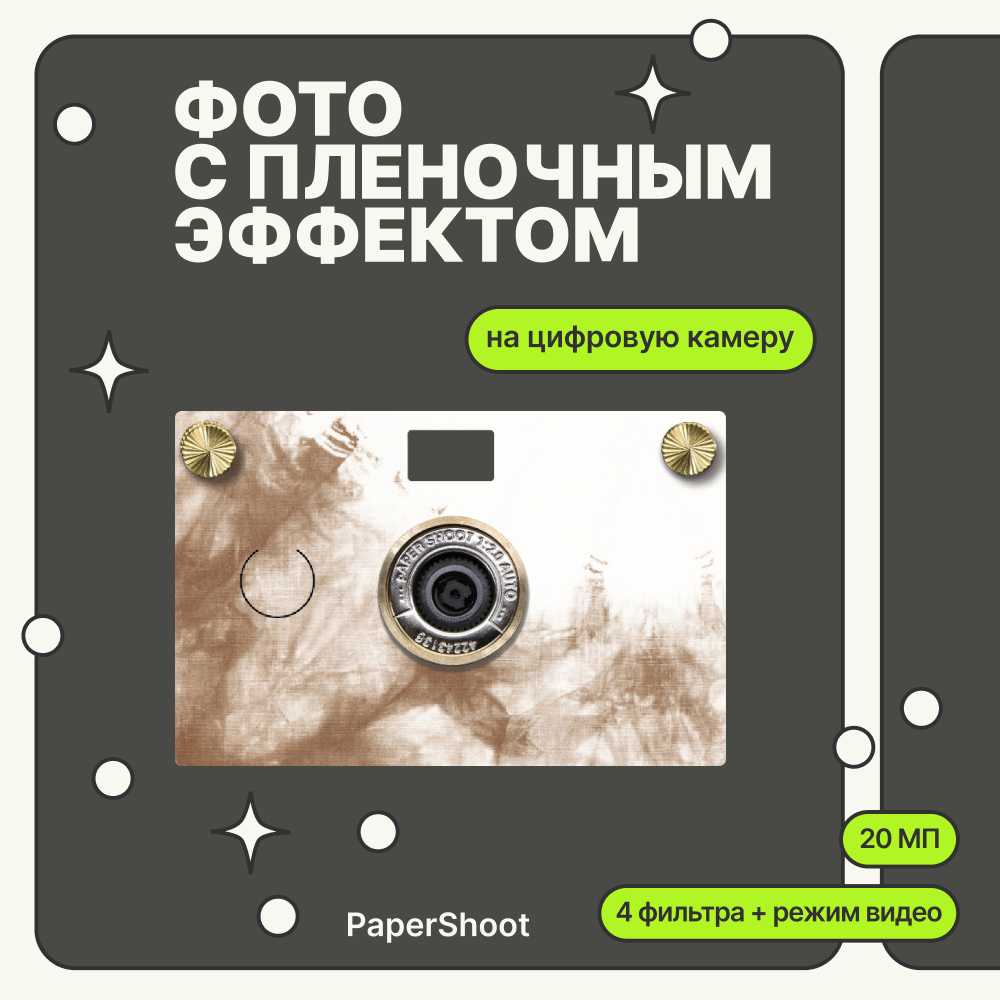
Paper Shoot Tobi
- Компактный размер
- Высокая простота
- Атмосферные фото
- Завышенная цена
- Картонный корпус
- Отсутствие вспышки
25 200 руб. в среднем
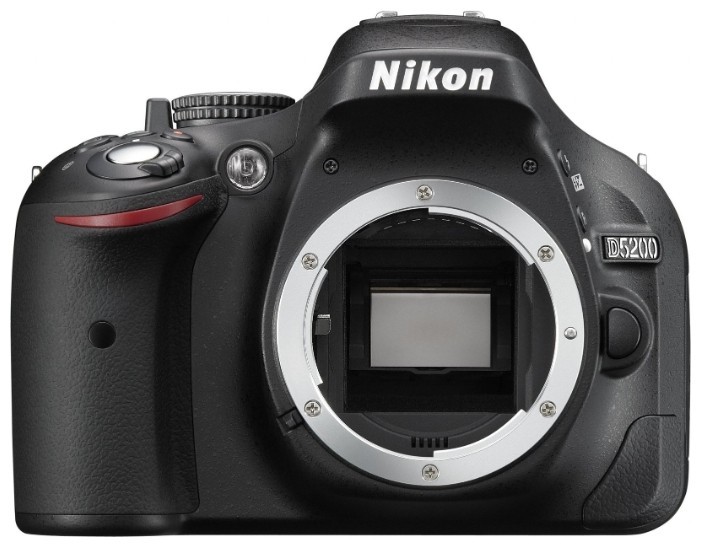
Nikon D5200 Body
- отличное качество фото
- быстрый автофокус 39 точек
- поворотный экран
- сложное меню и управление
- горящие пиксели на матрице
- слабая батарея для видео
28 394 руб. в среднем
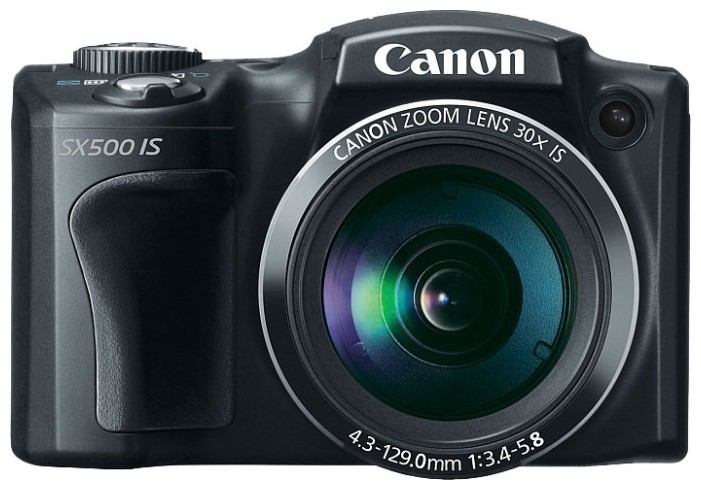
Canon PowerShot SX500 IS
- отличный зум
- четкие фото днем
- компактный
- слабая батарея
- шумы в темноте
- медленный фокус
27 500 руб. в среднем
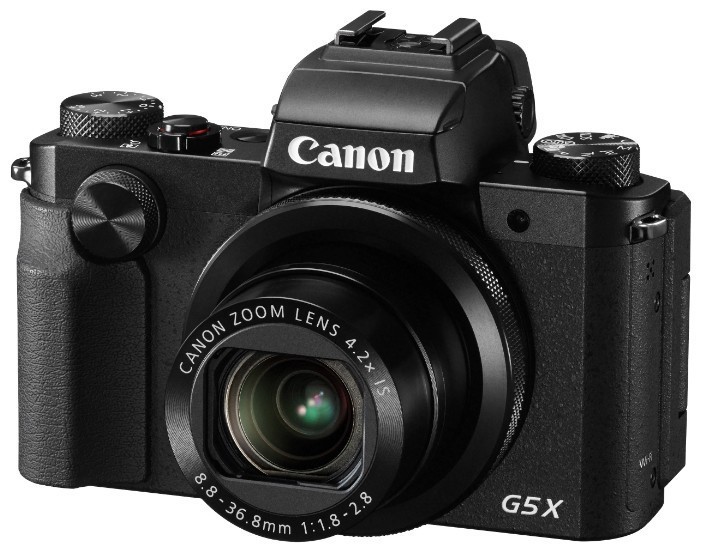
Canon PowerShot G5 X
- 20.90 МП
- 1"
- Zoom: 4.20х
- RAW
- Wi-Fi
20 620 руб. в среднем
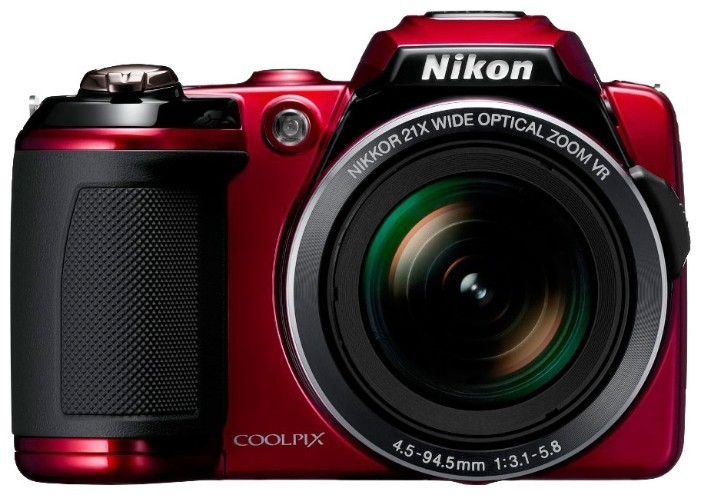
Nikon Coolpix L120
- суперзум 21x
- отличная макросъемка
- яркие цвета на улице
- шумы в помещении
- смазанные фото движения
- мало ручных настроек
20 140 руб. в среднем
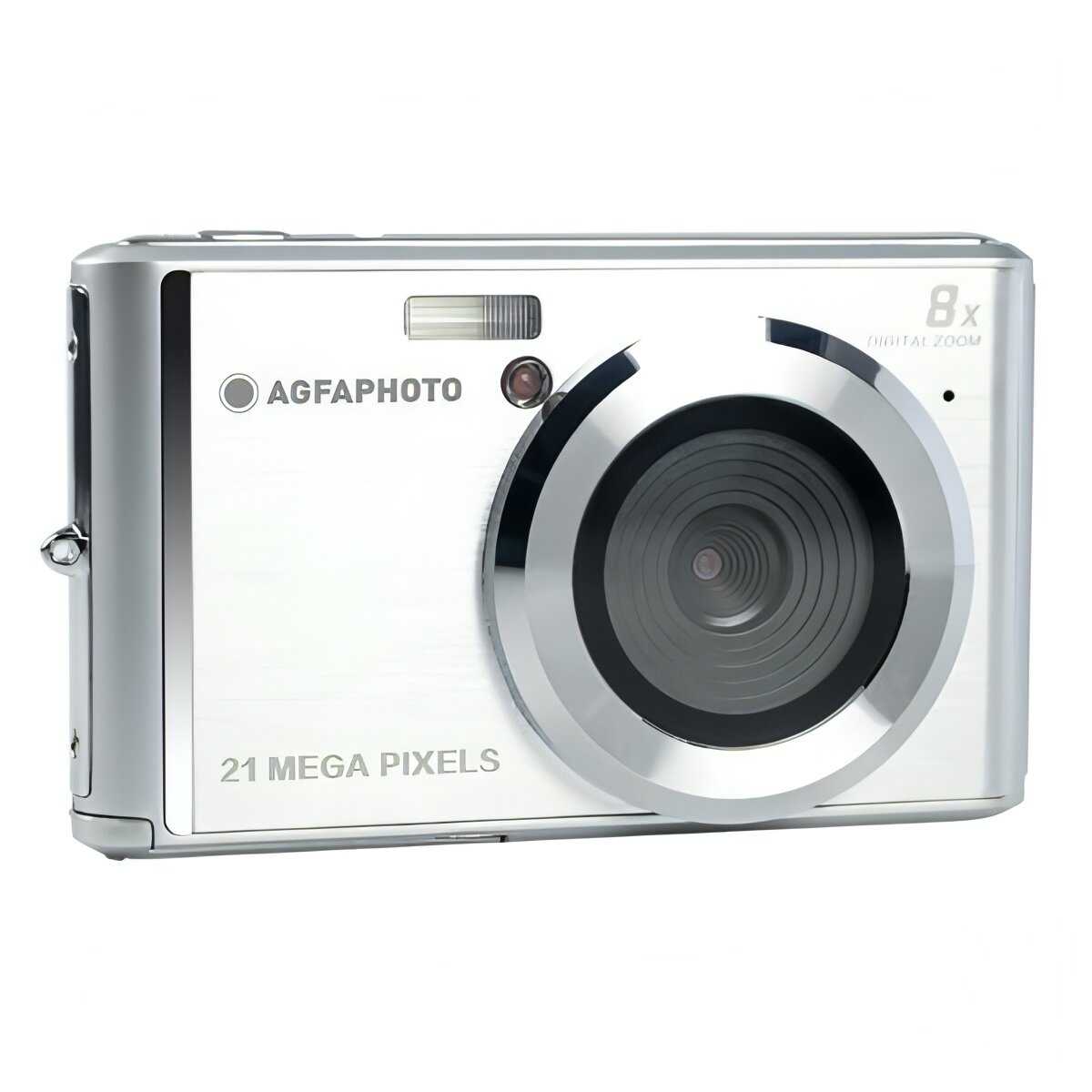
Agfaphoto Realishot DC5200 (2184160)
- тип фотоаппарата: компактная
- максимальное разрешение записи видеоролика: 1280x720
- стабилизатор изображения (фотосъемка): цифровой
27 203 руб. в среднем
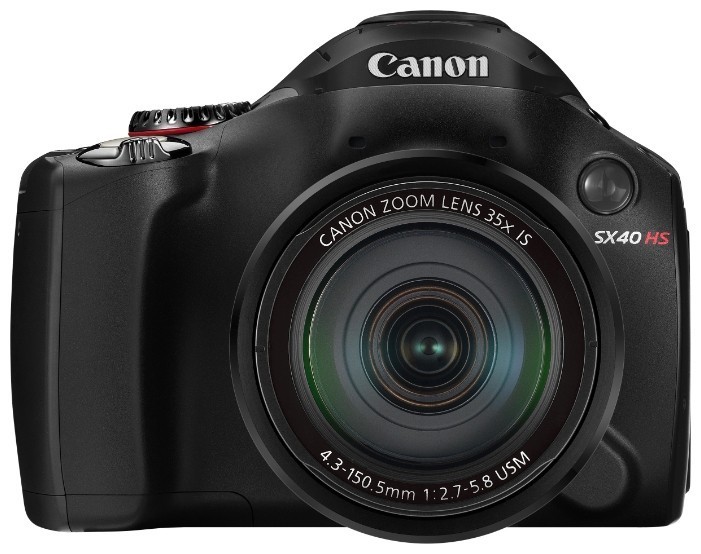
Canon PowerShot SX40 HS
- суперзум 35x
- оптическая стабилизация
- поворотный дисплей
- медленный автофокус
- маленькая матрица
- плохой баланс белого
26 836 руб. в среднем
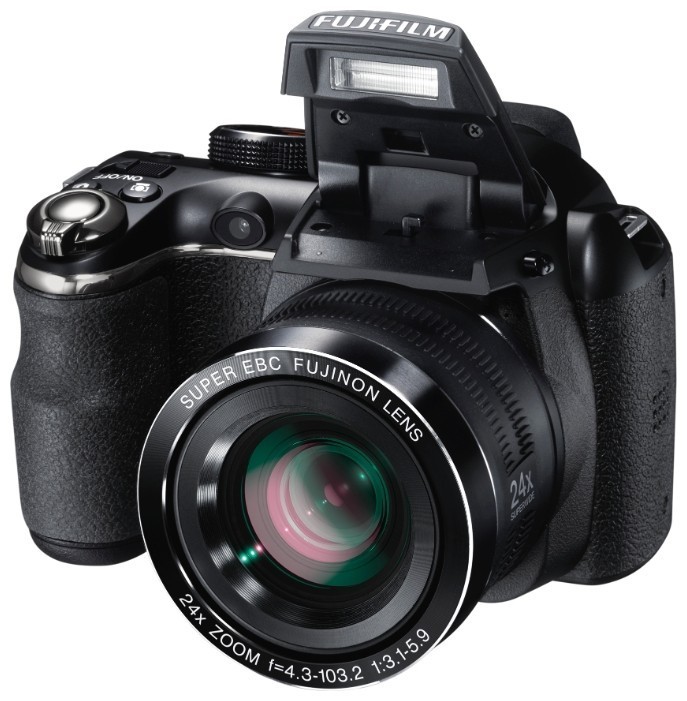
Fujifilm FinePix S4200
- 14 МП
- 1/2.3"
- Zoom: 24х
- видео до 1280x720
- 448 г
26 035 руб. в среднем
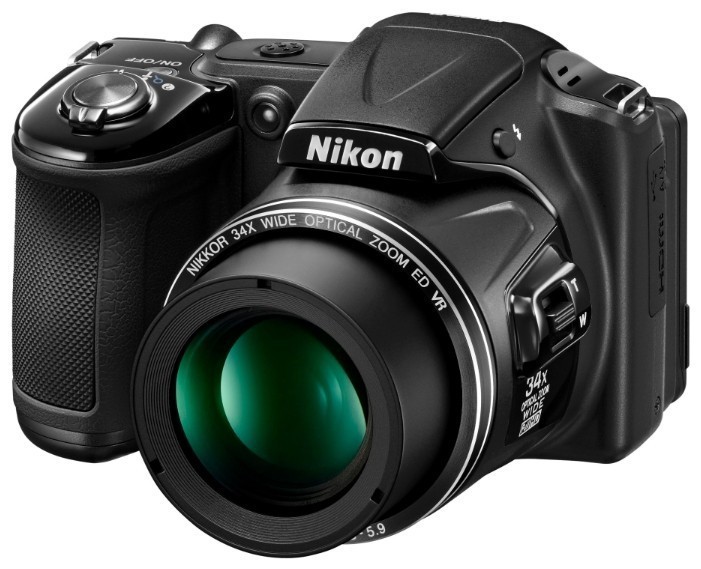
Nikon Coolpix L830
- мощный оптический зум 34x
- питание от AA-батареек
- эргономичный дизайн
- слабая низкоуровневая съемка
- неудобная вспышка
- ограниченный спортивный режим
25 735 руб. в среднем

Kodak FZ55
- тип фотоаппарата: компактная
- максимальное разрешение видеосъемки: 1920x1080
- Оптический Zoom: 20 x
- стабилизатор изображения (фотосъемка): цифровой
- экран: фиксированный
20 540 руб. в среднем
197 отзывов пользователей о Sony Alpha NEX-3N Kit
Пользовались
Sony Alpha NEX-3N Kit?
Поделитесь своим опытом и помогите другим сделать правильный выбор

КиберНаблюдатель-0RSOD
09.03.2024
Оценка пользователя
Великолепно
- + 1) Резкость, чистота , микродетализация картинки на ISO 200 - за это глобальное достоинство ей можно простить все остальное !
2) Низкий уровень цифровых артефактов изображения и шума на ISO 200
3) Превосходная супер резкая матрица с идеальной детализацией РАВ точный авто ББ с возможностью подстройки. Неплохой ДД по светам
4) Специфическая цветопередача, немного мультяшная в jpeg , и под пленку с характерными оттенками в ARW. С этой камеры можно выгребать очень хороший цвет-если не делать нубский переконтраст и вырвиглазную насыщенность. Имейте ввиду что Сони по умочанию всегда пережигает все цвета даже на профиле sd
5) Высокое качество видео и звука для супер бюджетного фотега
6) Очень долго живет батарея без вспышки при покадровой съемке без видео
7) Высокая надежность электронной части при бережном обращении -камера пашет как новая уже 8 лет - - 1) Отвратительный ужасающий jpeg-движок с агрессивным акварельным шумодавом . Это значит что после ISO 400 и в ряде случаев от 800, мы видим во всей красе работу неотрубаемого акварельного шумодава, задача которого - убить детализацию. На Исо 200 при недодержке тоже лезет грязь в тенях и замыленнось деталей характерной акварелью.
2) Бюджетность , хлипкость сборки и материалов, зазоры, щели, нежный пластик, уязвимый нежный экран. Убогая и сопливая до невозможности разболтаная кнопка ВКЛ, гашетка и особенно совмещенный рычаг функции зум-просмотра и цЫфрового зума - ну почему нельзя было зум сделать отдельной кнопкой-качалкой ?? У a5000 гашетка намного надежнее и не глючит
Надолго прописалась как вторая к D800. Есть мнение это что лучшая матрица по качеству картинки из всей серии NEX используется только в моделях 3N и NEX-6 ( картинка одинаковая) а у NEX 5N и 5Т отличается цветопередачей. С матрицы 3N и китовым 16-50 или хорошими М42 стеклами на ISO 200 можно вытянуть картинку на глаз неотличимую от D800 с дорогой оптикой. По крайней мере на предметном фото с поставленным светом разницу между камерами за 8000р и 80000р заметить очень сложно.
Еще надо отметить что при ярком дневном освещении сносно работает полностью автоматический режим в фото и видео. Чего нельзя сказать о более "продвинутых" и дорогих а5000-5100-6000. Где в АВТО вообще физически нереально получить тех. годный кадр по вине камерных алгоритмов. Там спасет только полный мануал, RAW, умелые прямые руки, резкая оптика, и владение обработкой на высоком уровне
Вектрон-1JGAT
14.09.2023
Оценка пользователя
Великолепно
- + 1) Качество, резкость, чистота , микродетализация картинки на ISO 200 - за это глобальное достоинство ей можно простить все остальное !
2) Очень низкий уровень цифровых артефактов изображения и шума на ISO 200
3) Превосходная супер резкая матрица с идеальной детализацией РАВ точный авто ББ с возможностью подстройки. Неплохой ДД по светам
4) Специфическая цветопередача под пленку с характерными оттенками. Я этой камеры можно выгребать очень хороший цвет -если не делать нубский переконтраст и вырвиглазную насыщенность. Имейте ввиду что Сони по умочанию всегда пережигает все цвета даже на профиле sd
5) Высокое качество видео и звука для супер бюджетного фотега
6) Очень долго живет батарея без вспышки при покадровой съемке без видео
7) Высокая надежность электронной части при бережном обращении - - 1) Отвратительный ужасающий jpeg-движок с агрессивным акварельным шумодавом . Это значит что после ISO 400 и в ряде случаев от 800, мы видим во всей красе работу неотрубаемого акварельного шумодава, задача которого - убить детализацию. На Исо 200 при недодержке тоже лезет грязь - замыленнось деталей характерной акварелью.
2) Бюджетность сборки и материалов, зазоры, щели, нежный пластик, уязвимый нежный экран. Убогая и сопливая до невозможности разболтаная кнопка ВКЛ, гашетка и особенно совмещенный рычаг функции зум-просмотра и цЫфрового зума - ну почему нельзя было зум сделать отдельной кнопкой-качалкой ??
Надолго прописалась как вторая к D800. Есть мнение это что лучшая матрица по качеству картинки из всей серии NEX используется только в моделях 3N и NEX-6 ( картинка одинаковая) а у NEX 5N и 5Т отличается цветопередачей. С матрицы 3N и китовым 16-50 или хорошими М42 стеклами на ISO 200 можно вытянуть картинку на глаз неотличимую от D800 с дорогой оптикой. По крайней мере на предметном фото с поставленным светом разницу между камерами за 8000р и 80000р заметить очень сложно.
Еще надо отметить что при ярком дневном освещении сносно работает полностью автоматический режим в фото и видео. Чего нельзя сказать о более "продвинутых" и дорогих а5000-5100-6000. Где в АВТО вообще физически нереально получить тех. годный кадр по вине камерных алгоритмов. Там спасет только полный мануал, RAW, умелые прямые руки, резкая оптика, и владение обработкой на высоком уровне
Вояджер-5VNLA
13.12.2023
Оценка пользователя
Ужасно
- + Большая матрица, зарядка от usb. На iso до 800 легко даже кропом в 100%. Микрофоны чувствительные. На видео цепкий автофокус.
- - Самое явное - Выглядит максимально дёшево и хлипко: зазоры, хруст, дребезжание органов управления объектива, дешёвый тонкий пластик. Экран покрывается царапинами буквально от ветра на улице. Объектив малость сосет пыль при постоянном раскладывании даже если хочешь просто фото отснятые посмотреть. Объектив более мыльный чем первые китовые нексов. Экран паршивый - низкое разрешение (пиксели четко видны) и контрастность + яркость подсветки не высокая. Днём вообще ничего не видно по дисплею т.к слепнет наглухо. Сам садит батарею в 0 в выкл состоянии если не пользовался пару месяцев...и потом долго не хочет включать режим зарядки из-за этого. Вспышку можно не использовать- бесполезная в отличие от съемной у nex 5.
Спектр-0ZIBP
11.11.2013
Оценка пользователя
Великолепно
- + - низкий уровень шумов, можно пользоваться даже ISO 3200 (но злой шумодав "убивает" детализацию). До ISO 800-1600 смело!
- красивые натуральные цвета, скин-тон, небо, море...
- полезное псевдо-HDR. И просто HDR тоже весьма! Вывел на программируемую кнопку.
- отличный алгоритм съемки с рук в темном помещении или ночью. Камера делает серию кадров на высоком ISO и склеивает в один - получается заметно лучше, чем просто снять на ISO 6400 или 3200.
- удобный откидной экран - для самострелов или съёмки от земли то что надо! Очень помогает так же при предметной съёмке. Экран откидывается наверх, а не в бок, как часто бывает - это хорошо при самострелах т.к. взгляд направлен в сторону объектива. В этой генерации Nex-3 конструкция экранчика стала проще, удобнее и, видимо, надежнее.
- удобно снимать с мануальной оптикой в плане фокусировки и экспозамера.
- можно ставить м39 - получается очень компактно!
- новый объектив лучше и резче, чем и блинчик 16мм и 18-55, при этом компактен, моторизован и стабилизирован. Звездочки красивые, боке неплохое. Но любит ловить зайев...
- на камере появился рычажок зуммирования а-ля мыльница - удобно для съёмки одной рукой.
- более удобное управление, чем на Nex F3., например кнопка включения совмещена с кнопкой спуска и тут же зуммирование - удобно. Изменения в меню тоже в лучшую сторону. Отсутствие колеса PASM больше не напрягает.
- разрешение экрана снизилось вдвое по сравнению с nex F3 - разницы почти не заметно, зато жить батареи стали ощутимо дольше.
- камера сама правит дефекты объектива (дисторсия, виньетка, ХА).-
- очень хорошее видео. - - В сравнении с предыдущей моделью F3:
- главный недостаток - уменьшенный размер тушки и выступ для руки, хват стал заметно менее удобным.
- разрешение экрана упало вдвое - сложнее оценивать картинку - но обратная сторона - на большее время хватает батарей.
- при наводке на резкость убрали подсветку резких областей красным цветом, раньше это очень помогало, особенно при съёмке с малой ГРИП.
- убрали 3D. А я тока разжился 3D телевизором :)
- убрали аксессуарный разъём - видоискатель или внешний микрофон теперь не прицепить.
В общем:
- шумодав очень агрессивный. Вроде как были разговоры, о том, что он стал более избирательный - но нет, он такой же, как раньше.
- нельзя ограничить максимальное ISO в авторежиме - в итоге авторежимы для меня лично бесполезны.
- на солнце на дисплее ничего не видно. Амолед бы не помешал какой-нибудь. Или видоискатель. Который теперь даже за деньги не прицепить.
- дорогая оптика и аксессуары для Сони-Е, да и выбор не велик. Т.е. лично для меня это пока что "продвинутая мыльница", а не системная камера. Ну только если мануальные стекла поставить побаловаться.
- В темноте часто не может сфокусироваться, даже с включенной IR подсветкой.Переключаю на MF.
- батарею заряжать нужно в камере? индикатор почти не видно. Я бы предпочёл отдельное ЗУ. (можно купить отдельно).
- при замене стёкол надо быть очень аккуратным - нет зеркала, матрица ничем не защищена.
- не знаю почему, но у меня на эту камеру сильно липнет пыль. Что-то видать в материале особенно вкусное для пыли... может электростатика пластмассы, или её шершавость.
- когда камера правит дисторсию объектива 16-50, немного обрезает картинку, в итоге поле зрения уменьшается, т.е. не выходит честных 16мм.
- рычажок зуммирования выглядит хлипко, ход очень мягкий - бывает случайно его задеваешь.
- звук от объектива при съемке видео, а внешний микрофон не подцепить - разъём убрали.
- объектив любит ловить зайцев.
- индикатор записи на карту расположен очень неудачно.
Вояджер-7JYVU
09.03.2018
Оценка пользователя
Великолепно
- + 1) Качество, резкость, чистота , микродетализация картинки на ISO 200 - за это глобальное достоинство ей можно простить все остальное !
2) Очень низкий уровень цифровых артефактов изображения и шума на ISO 200
3) Превосходная матрица, рисует красиво, точный авто ББ с возможностью подстройки
4) Очень высокое качество видео и звука
5) Очень долго живет батарея без вспышки - - 1) Это БЗК Sony, а это значит что после ISO 400 и в ряде случаев от 800, мы видим во всей красе работу неотрубаемого акварельного шумодава, задача которого - убить детализацию. Но не все так плохо -у а5000 шумодав в разы более агрессивен и убивает вообще все что можно убить в изображении!
2) Бюджетность сборки и материалов, зазоры, щели, нежный пластик, уязвимый нежный экран
МехаРейнджер-8JZFT
01.10.2014
Оценка пользователя
Великолепно
- + - низкий уровень шумов, можно пользоваться даже ISO 3200 (но злой шумодав "убивает" детализацию). До ISO 800-1600 смело!
- красивые натуральные цвета, скин-тон, небо, море...
- полезное псевдо-HDR. И просто HDR тоже весьма! Вывел на программируемую кнопку.
- отличный алгоритм съемки с рук в темном помещении или ночью. Камера делает серию кадров на высоком ISO и склеивает в один - получается заметно лучше, чем просто снять на ISO 6400 или 3200.
- удобный откидной экран - для самострелов или съёмки от земли то что надо! Очень помогает так же при предметной съёмке. Экран откидывается наверх, а не в бок, как часто бывает - это хорошо при самострелах т.к. взгляд направлен в сторону объектива. В этой генерации Nex-3 конструкция экранчика стала проще, удобнее и, видимо, надежнее.
- удобно снимать с мануальной оптикой в плане фокусировки и экспозамера.
- можно ставить м39 - получается очень компактно!
- новый объектив лучше и резче, чем и блинчик 16мм и 18-55, при этом компактен, моторизован и стабилизирован. Звездочки красивые, боке неплохое. Но любит ловить зайев...
- на камере появился рычажок зуммирования а-ля мыльница - удобно для съёмки одной рукой.
- более удобное управление, чем на Nex F3., например кнопка включения совмещена с кнопкой спуска и тут же зуммирование - удобно. Изменения в меню тоже в лучшую сторону. Отсутствие колеса PASM больше не напрягает.
- разрешение экрана снизилось вдвое по сравнению с nex F3 - разницы почти не заметно, зато жить батареи стали ощутимо дольше.
- камера сама правит дефекты объектива (дисторсия, виньетка, ХА).-
- очень хорошее видео. - - В сравнении с предыдущей моделью F3:
- главный недостаток - уменьшенный размер тушки и выступ для руки, хват стал заметно менее удобным.
- разрешение экрана упало вдвое - сложнее оценивать картинку - но обратная сторона - на большее время хватает батарей.
- убрали 3D. А я тока разжился 3D телевизором :)
- убрали аксессуарный разъём - видоискатель или внешний микрофон теперь не прицепить.
В общем:
- шумодав очень агрессивный. Вроде как были разговоры, о том, что он стал более избирательный - но нет, он такой же, как раньше.
- нельзя ограничить максимальное ISO в авторежиме - в итоге авторежимы для меня лично бесполезны.
- на солнце на дисплее ничего не видно. Амолед бы не помешал какой-нибудь. Или видоискатель...
Странник-6BPWK
30.12.2013
Оценка пользователя
Хорошо
- + Стильный, компактный, легкий. Я взял белый. Хорошие материалы, держать удобно, несмотря на маленький хват. Разрешения дисплея хватает. Аккумулятор мощный с предсказуемым разрядом (вроде бы, только sony указывает заряд в %, как на смартфоне). Быстрая фокусировка при нормальном освещении, быстрая обработка снимков. В видео фокус не плавает совсем, поразительно! Гибкое управление динамическим диапазоном, цветопередача нравится. Возможность программирования кнопок. Вспышку можно направить в потолок под любым углом, придерживая пальцем. Матрица APS-C - следовательно, шумов нет до 1600 iso включительно. Серийная съемка, по-моему, без ограничений на количество снимков при скорости 2,5 кадров в секунду (пока нажата кнопка), 4 кадра в секунду до 9 снимков, затем замедляется опять же до 2,5 кадров/сек и снимает, пока держите кнопку спуска. Мне достаточно. Управление зумом с китовым объективом 3-мя способами - кольцом объектива, рычажком на объективе, рычажком на кнопке спуска - удобно! Включение питания рычажком - на мой взгляд удобнее, чем кнопкой. Резкий китовый объектив по центру кадра.
- - Материалы хорошие, а сборка и подгонка корпусных панелей не очень, есть зазоры. Программируемую кнопку еще бы одну - было бы супер! Дисплей не поворачивается вниз. Фотографии можно снять над головой перевёрнутым аппаратом, снимки он даже сам переворачивает, а видео как перевернуть, не знаю. При плохом освещении и макро фокусировка тормозит - сказывается отсутствие фазового автофокуса, наверное. Возможно, с другим объективом будет быстрее. Видоискатель не был бы лишним, но это либо совсем другая цена (nex-6), либо нечто странное, как а3000. В углах кадра резкость падает.
В mp4 пишет видео только в разрешении 1440 х 1080 - неудобный формат.
Звук затвора довольно громкий, отключить нельзя (механика), поэтому незаметно снять что-то (например, в музее) не получится...
Но есть и особенности, которые в + именно nex-3n - долгое время жизни аккумулятора, встроенная вспышка (нет в nex-5t), автопортретный поворот
дисплея (нет в nex-6), управление зумом на кнопке (нет ни у кого). В качестве
"записной книжки" путешественника в любых условиях освещения модель идеальна, для большего нужно большее.
В век наступления смартфонов с неплохими камерами считаю фотики с APS-C самой оправданной покупкой, на меньшую матрицу уже не соглашусь...
НеоВояжер-9YAPF
13.05.2014
Оценка пользователя
Хорошо
- + Стильный, компактный, легкий. Я взял белый. Хорошие материалы, держать удобно, несмотря на маленький хват. Разрешения дисплея хватает. Аккумулятор мощный с предсказуемым разрядом (вроде бы, только sony указывает заряд в %, как на смартфоне). Быстрая фокусировка при нормальном освещении, быстрая обработка снимков. В видео фокус не плавает совсем, поразительно! Гибкое управление динамическим диапазоном, цветопередача нравится. Возможность программирования кнопок. Вспышку можно направить в потолок под любым углом, придерживая пальцем. Матрица APS-C - следовательно, шумов нет до 1600 iso включительно. Серийная съемка, по-моему, без ограничений на количество снимков при скорости 2,5 кадров в секунду (пока нажата кнопка), 4 кадра в секунду до 9 снимков, затем замедляется опять же до 2,5 кадров/сек и снимает, пока держите кнопку спуска. Мне достаточно. Управление зумом с китовым объективом 3-мя способами - кольцом объектива, рычажком на объективе, рычажком на кнопке спуска - удобно! Включение питания рычажком - на мой взгляд удобнее, чем кнопкой. Резкий китовый объектив по центру кадра.
- - Материалы хорошие, а сборка и подгонка корпусных панелей не очень, есть зазоры. Программируемую кнопку еще бы одну - было бы супер! Дисплей не поворачивается вниз. Фотографии можно снять над головой перевёрнутым аппаратом, снимки он даже сам переворачивает, а видео как перевернуть, не знаю. При плохом освещении и макро фокусировка тормозит - сказывается отсутствие фазового автофокуса, наверное. Возможно, с другим объективом будет быстрее. Видоискатель не был бы лишним, но это либо совсем другая цена (nex-6), либо нечто странное, как а3000. В углах кадра резкость падает.
В mp4 пишет видео только в разрешении 1440 х 1080 - неудобный формат.
Звук затвора довольно громкий, отключить нельзя (механика), поэтому незаметно...
Как менялась цена на Sony Alpha NEX-3N Kit
Характеристики Sony Alpha NEX-3N Kit
Информация о характеристиках носит справочный характер.
Перед покупкой уточняйте характеристики и комплектацию товара у продавца
Обзоры и руководства на Sony Alpha NEX-3N Kit



Wizemart © 2026.
Рекомендательная система по умному выбору товаров по отзывам и рейтингам
